
Article: Is UV Disinfection Safe and Effective for Home Food Waste Composting?
Is UV Disinfection Safe and Effective for Home Food Waste Composting?
UV disinfection is a powerful method that can eliminate harmful microorganisms from surfaces, air, and water without leaving chemical residues. As more households adopt electric composters, “UV sterilization” is increasingly listed as a key feature. But what does UV actually do in a home food waste system, and is it truly safe and effective?
This article explains how UV disinfection works, compares it with high-temperature sterilization, and highlights the safety considerations that matter most when UV is used in a household food waste system.
How UV Disinfection Works
Basic Principle of UV Disinfection
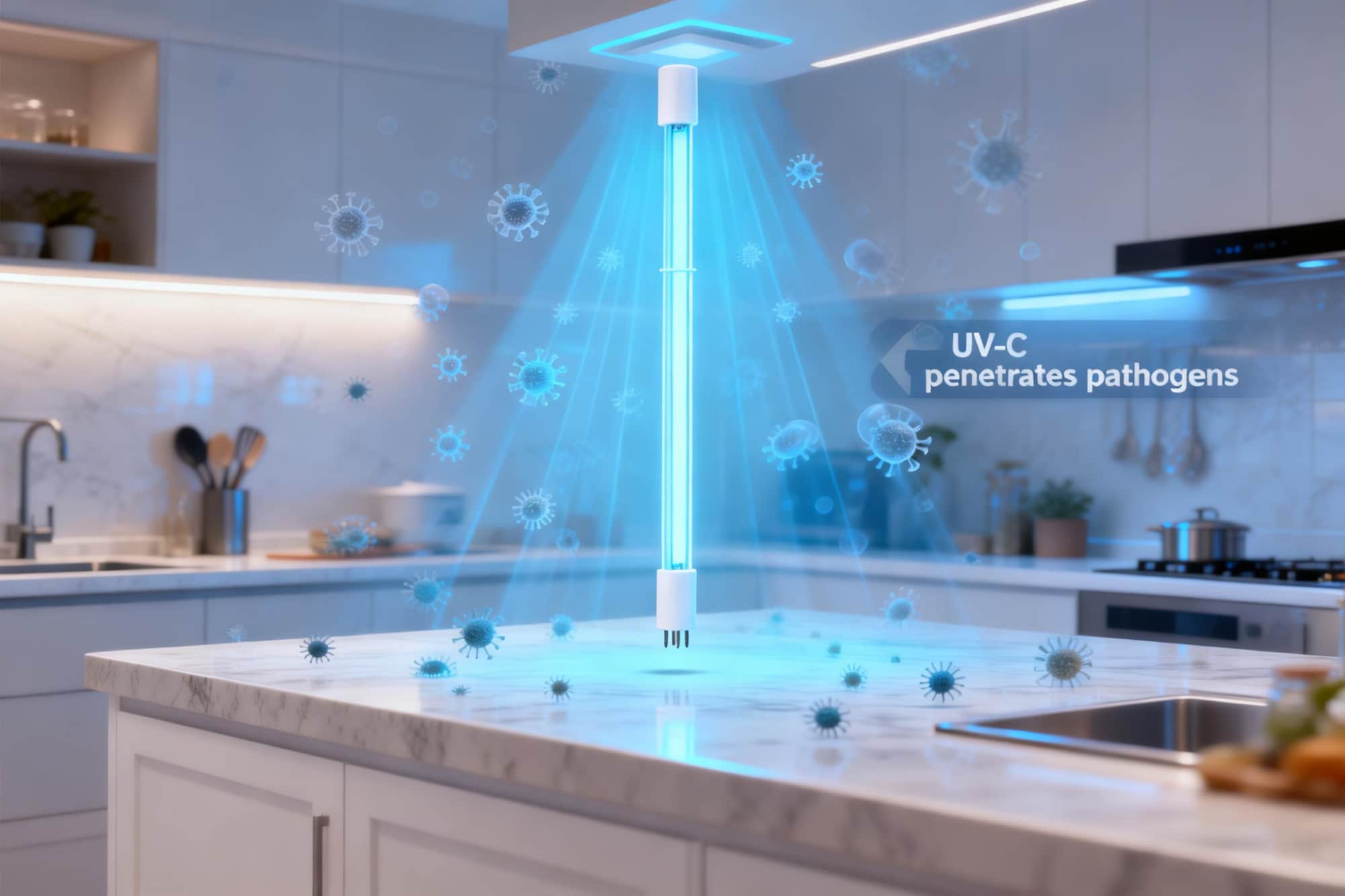
UV light—most commonly UV-C—can penetrate viruses and pathogens and damage their DNA or RNA. When exposed to UV-C at sufficient intensity and duration, microorganisms lose their ability to reproduce and survive.
Unlike chemical disinfectants, UV does not leave residue, which is why it is widely used in hospitals, water treatment, laboratories, restaurant kitchens, and increasingly in sealed home appliances.
In food waste systems, UV-C is typically installed in the air circulation channel and does not directly contact the compost material. This design helps reduce pathogens in the air layer at the top of the chamber, exhaust ducts, and internal surfaces—preventing them from entering your kitchen through airflow.

UV Disinfection vs. High-Temperature Sterilization

High-temperature sterilization works by heating to a level that kills microorganisms. Although effective, it has trade-offs in a household setting:
- Energy consumption: High-temperature systems often require sustained heating, which increases power use. UV typically uses lower energy through targeted exposure.
- Material wear: Continuous heat accelerates aging of internal components. UV causes less heat-related wear.
- Speed and control: UV works quickly in short cycles, while heat sterilization often needs longer runtime to reach effective levels.
However, UV and heat sterilization are not fully equivalent in effect. UV can disinfect air and surfaces, but it cannot penetrate inside food waste to kill pathogens embedded within the material. Therefore, UV should be treated as a supportive hygiene layer rather than a standalone solution.
For daily home use, a combined approach is most appropriate: heat sterilizes the compost core, while UV targets pathogens in air channels and surfaces. Some advanced electric composters use this combination: high heat kills weed seeds and most pathogens, while UV focuses on airflow pathways.

Safety Considerations
Potential Risks of UV Exposure
It is true that UV—especially UV-C—can harm skin and eyes if directly exposed. This is the main safety concern for users when a device includes UV technology.
However, the risk depends entirely on exposure conditions, not the technology itself. UV disinfection becomes unsafe only when:
- Users can directly see the UV light
- The system operates in an open or unshielded environment
In other words, improper design is the real risk factor, not UV technology itself. What you need is a properly engineered UV-enabled electric composter—not a device that simply contains a UV lamp.
Protective Design in Home Appliances
High-quality UV-enabled home composters use multiple safety protections, such as:
- Fully enclosed sterilization chamber
- UV-blocking or opaque materials
- Automatic shutdown when the lid is opened
- Controlled exposure only during sealed operation
With these safeguards in place, UV sterilization runs passively and invisibly. Users never come into contact with UV light during normal use. This is why Budloop’s UV technology is trusted by many users.
Benefits of UV Disinfection in Food Waste Systems
Reduce Bacteria Growth and Odor
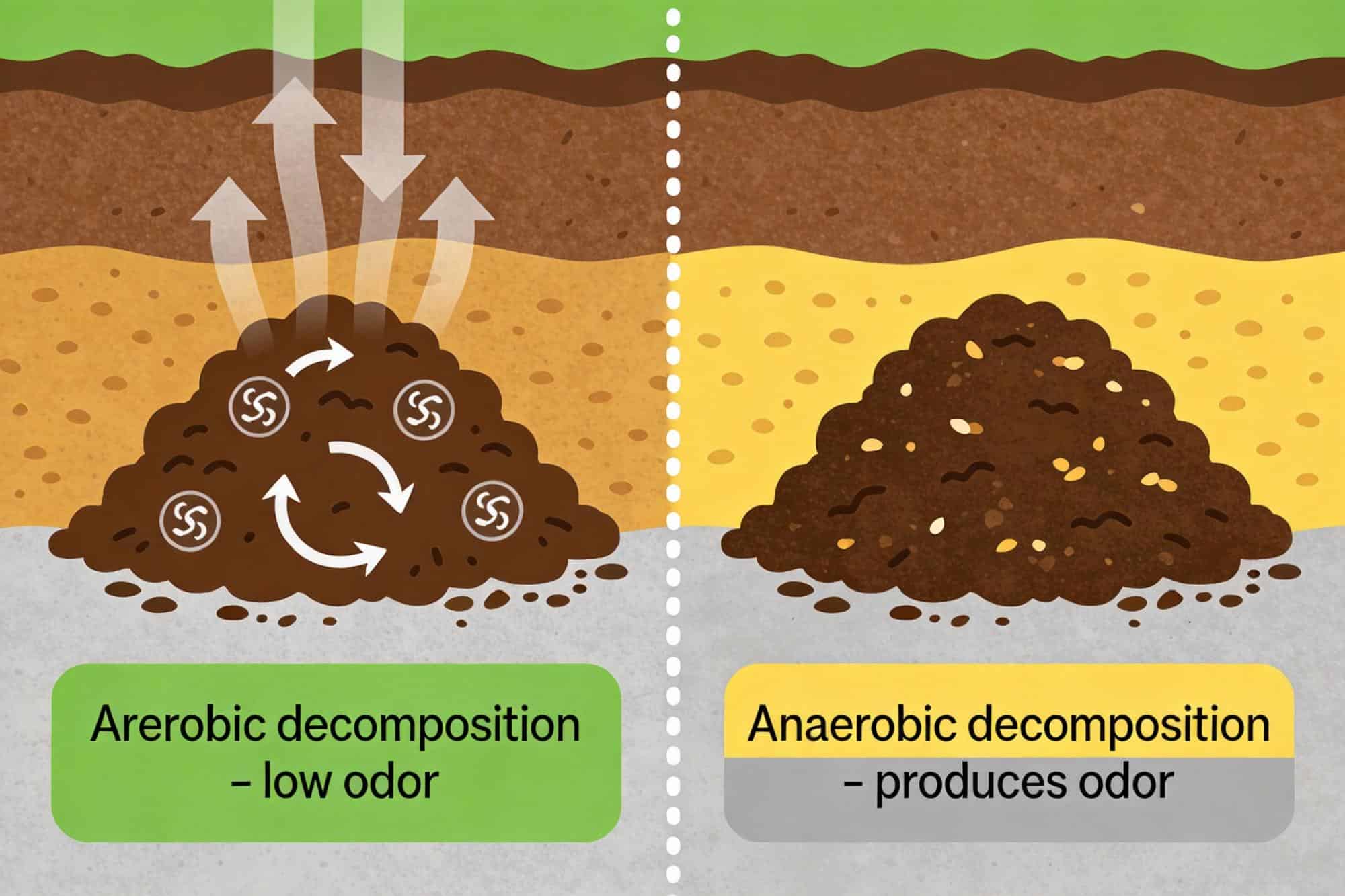
One major challenge of food waste management is odor. Odor is not produced by waste itself, but by microbial activity during decomposition. UV can help reduce odor by inhibiting bacteria and mold growth inside the chamber, which helps:
- Slow down odor formation
- Keep the internal environment cleaner
- Reduce reliance on fragrances or chemical filters
Importantly, UV is not “masking” odor—it is addressing part of the biological cause.
Improved Maintenance and Hygiene
UV disinfection also improves long-term hygiene and maintenance. By reducing microbial buildup:
- Internal surfaces stay cleaner longer
- Manual cleaning frequency is reduced
- Biofilm formation is minimized
For families who value low maintenance, this creates real daily convenience. Additionally, lowering microbial load makes handling the finished compost safer.
FAQ
Is UV safe for children and pets?
Yes. If designed correctly, UV only operates inside a sealed chamber and never leaks. During normal use, children and pets are not exposed.
Can UV disinfection kill all bacteria?
No method can guarantee 100% elimination. UV can significantly reduce microbial activity, but it works best as part of a complete hygiene system—not as the sole solution.
How often does the system run UV disinfection?
It depends on system design and usage. Budloop electric composters run UV cycles automatically as needed, without user intervention.
Will UV kill the compost microbes inside the system?
UV only affects microbes exposed on the surface or in the air channel. It cannot penetrate inside the waste material. Budloop uses layered sterilization: high heat kills pathogens within the compost, while UV targets pathogens in airflow paths. Therefore, UV does not disrupt the composting microbes.
Conclusion
UV sterilization is neither a marketing gimmick nor a universal cure. When scientifically integrated into a sealed, intelligently designed home food waste system, it can provide real benefits in hygiene, odor control, and maintenance without compromising safety.
As with any home technology, effectiveness depends less on the feature itself and more on the engineering quality and responsible design implementation. If you want to learn more about how UV and heat work together in a safe, efficient home system, you can explore our Budloop Electric Composter product page.


Leave a comment
This site is protected by hCaptcha and the hCaptcha Privacy Policy and Terms of Service apply.