
Article: Linen vs Cotton Tablecloth: Which Is Better?
Linen vs Cotton Tablecloth: Which Is Better?
What's the Difference Between Linen and Cotton?
Linen and cotton are both natural fibers, but they come from completely different plants — and that origin shapes everything about how they look, feel, and perform.
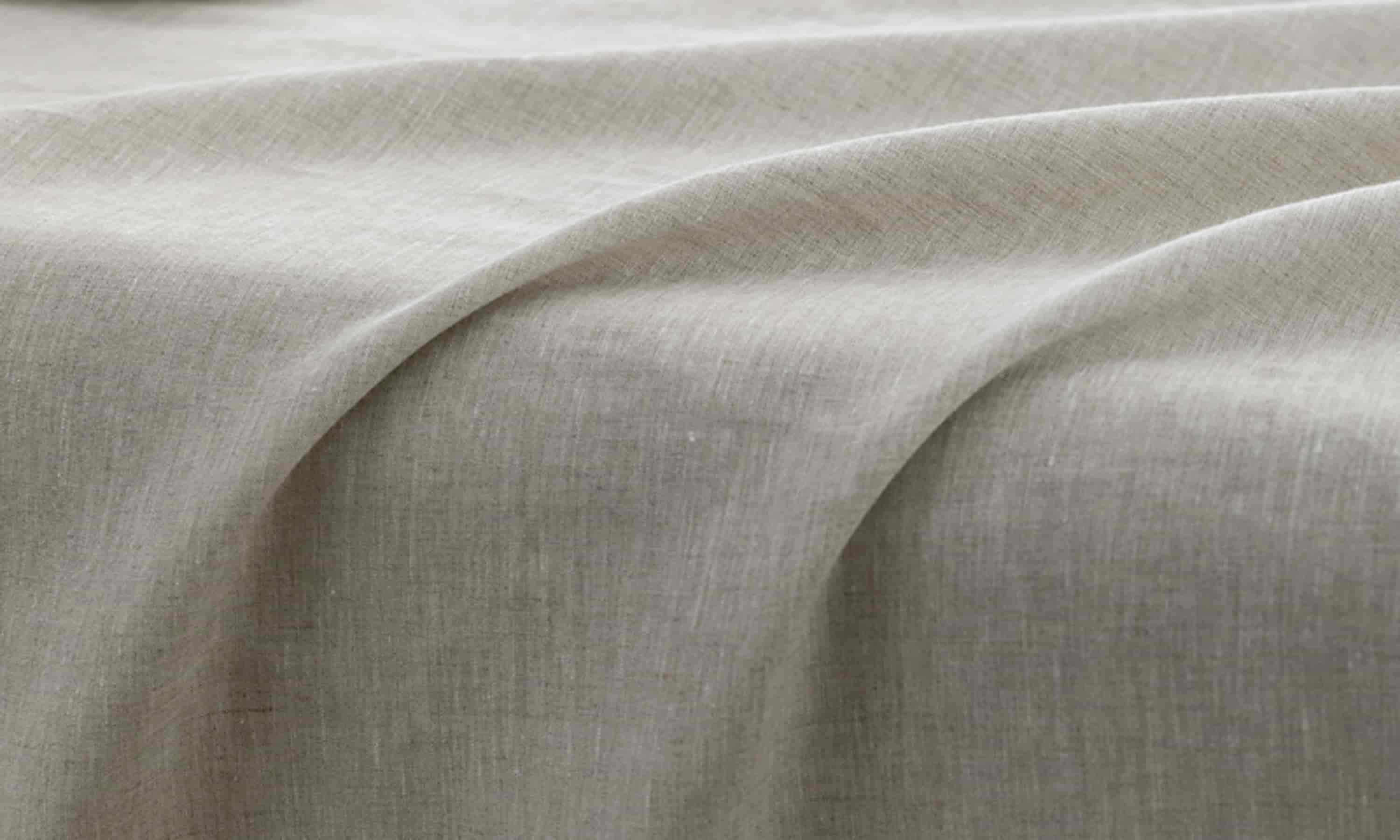
Linen is made from the flax plant. Its fibers are longer (typically 25–150 cm) and stronger, with a naturally textured surface. This gives linen its signature slightly rough, lived-in quality — and with every wash, it only gets softer.
Cotton is made from the cotton plant. Its fibers are shorter (up to 5 cm) and finer, producing a fabric that feels softer straight out of the package, with a more uniform texture that takes dye evenly and consistently.
| Linen | Cotton | |
|---|---|---|
| Source | Flax plant | Cotton plant |
| Texture | Natural, slightly textured | Smooth, uniform |
| Weight | Heavier, more substantial | Lighter |
| Appearance | Relaxed, organic | Crisp, polished |
| Sustainability | More sustainable | Water-intensive crop |
The bottom line: linen's natural irregularity gives each piece its own character — effortlessly elegant. Cotton looks clean and neat.
What Fabric Is Best for Tablecloths?
For most tablecloth applications — especially dining, entertaining, and hospitality — linen is the superior choice. Here's why:
- It gets better with age. Linen fibers actually strengthen with repeated washing, meaning a quality linen tablecloth will outlast most cotton alternatives by years.
- It's naturally stain-resistant. Linen's lower absorbency means spills bead up rather than soaking in immediately, giving you more time to blot and clean.
- It regulates temperature. Linen is naturally breathable, keeping the table surface cooler — a subtle but appreciated quality during long dinners.
- It looks expensive. The natural texture and drape of linen communicates quality in a way that cotton simply can't replicate.
Cotton remains a solid choice for casual everyday use, children's tables, or when budget is the primary concern. But for anyone who cares about aesthetics and longevity, linen wins.
The Main Disadvantages of Linen (And Why They Don't Matter for Tablecloths)
Linen has a reputation for being high-maintenance. Let's address that honestly.
It wrinkles easily. True — linen creases more readily than cotton. But for tablecloths, this is largely a non-issue. Once the table is set, the weight of dishes, glassware, and centerpieces naturally smooths the fabric. Many people also embrace linen's relaxed, slightly rumpled look as part of its charm.
It costs more upfront. Also true. A quality linen tablecloth carries a higher price tag than a comparable cotton one. But factor in lifespan — with proper care, a linen tablecloth can last anywhere from 5 to 10 years — and the cost per use is actually lower.
It can feel stiff at first. New linen has a crispness that softens noticeably after the first few washes. Pre-washed linen tablecloths (like those from Budloop) skip this break-in period entirely, arriving soft and ready to use.
Are Linen Tablecloths Worth the Price?
Yes — with one condition: you need to buy quality linen.
A well-made 100% linen tablecloth is worth every penny because:
- Durability — Linen is one of the strongest natural fibers. It doesn't pill, doesn't thin out, and holds its shape wash after wash.
- Timeless appearance — Linen never looks dated. The same tablecloth works for a casual Sunday brunch and a formal dinner party.
- Long-term value — Cheap cotton tablecloths need replacing every 1–2 years. A quality linen tablecloth for restaurants is a one-time investment that, with proper care, can last a decade or more.
- Sustainability — Flax requires significantly less water and fewer pesticides than cotton, making linen the more environmentally responsible choice.
One important caveat: cheap "linen-look" or linen-blend tablecloths won't deliver any of these benefits. Look for 100% linen with an OEKO-TEX Standard 100 certification, and choose a fabric rated 160–220 GSM — the weight range best suited for dining tablecloths.
Linen Tablecloth Sizes: How to Choose the Right Fit
Standard rectangular linen tablecloths typically range from 60×84 inches (seats 6) to 60×102 inches (seats 8–10). For round tables, 60", 70", and 90" diameter are the most common sizes.
Always measure your table first, then add 8–12 inches (20–30 cm) of drop on each side. This gives you a clean, proportional hang without the tablecloth dragging on the floor.
How to Care for a Linen Tablecloth
Linen is easier to care for than its reputation suggests.
Washing
- Machine wash on a gentle or delicate cycle in cold or lukewarm water (up to 40°C / 104°F)
- Use baking soda, hydrogen peroxide, or a mild detergent — avoid bleach, which weakens linen fibers over time
- Wash separately from rough fabrics that could cause pilling
Drying
- Air dry flat or hang to dry for best results
- Tumble dry on low heat is fine — remove while slightly damp to minimize wrinkles
- Avoid high heat, which can cause shrinkage and fiber damage
Ironing
- Iron while slightly damp on a medium-high setting for a crisp, polished finish
- Or skip ironing entirely — linen's natural texture looks intentional and quietly luxurious
Stain Removal
- Blot spills immediately — never rub
- For wine or oil stains, apply a small amount of dish soap directly to the stain before washing
- For candle wax, let it harden completely, then gently scrape it off before laundering
Are Tablecloths Still in Style in 2026?
Not only are tablecloths still in style — they're having a genuine moment.
The broader shift toward intentional home dining, driven by a post-pandemic appreciation for the ritual of eating together, has brought tablecloths back to everyday tables. What's changed is the aesthetic: the stiff, formal white tablecloth of the 1990s has given way to relaxed, textured linen in natural, earthy tones.
In hospitality, linen tablecloths have become a quiet signal of quality. Restaurants that invest in real linen communicate a level of care and attention to detail that disposable napkins or synthetic alternatives simply cannot convey.
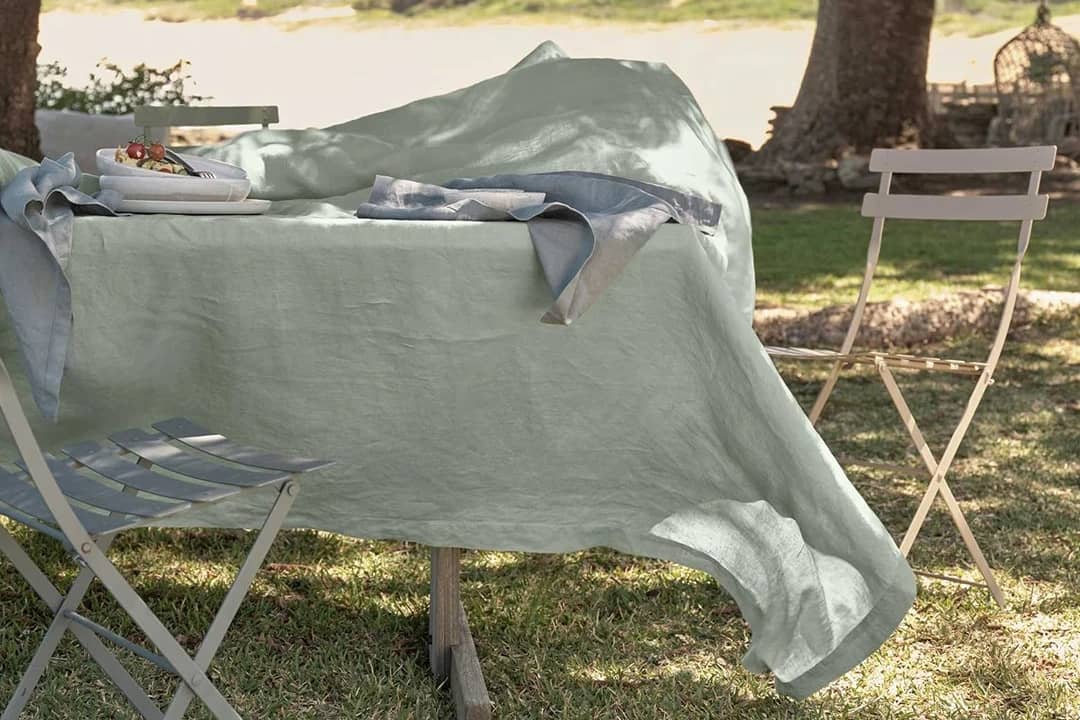
For home entertaining, the quiet luxury aesthetic that has dominated interior design in recent years places linen squarely at the center of the table — literally. In 2026, undyed, stone-washed linen in colors like oatmeal, sage green, and dusty rose are among the most searched tablecloth styles.
Tablecloths aren't out of style. The wrong tablecloth is out of style.
FAQ
Is linen or cotton better for formal dining?
Linen. Its natural drape, weight, and texture convey an elegance that cotton can't match. For formal settings, choose a heavier weight linen (200 GSM+) in a neutral tone.
Which lasts longer, linen or cotton?
Linen, by a significant margin. Linen fibers strengthen with washing, while cotton fibers gradually weaken. A quality linen tablecloth can last 5–10 years; most cotton tablecloths need replacing within 1–2 years.
Can linen tablecloths go in the dryer?
Yes, on a low heat setting. Remove while slightly damp to reduce wrinkles. Avoid high heat, which can cause shrinkage and fiber damage over time.
What's the difference between linen and linen-look tablecloths?
Linen-look tablecloths are typically made from polyester or polyester-cotton blends designed to mimic linen's texture. They're cheaper and wrinkle-resistant, but lack linen's breathability, durability, and natural feel. For long-term value, always choose 100% linen.
How do I choose the right tablecloth size?
Measure your table's length and width (or diameter for round tables), then add 16–24 inches total — that's 8–12 inches of drop per side — for a standard dining hang. For a more formal look, increase the drop to 15 inches per side.
Looking for 100% washed linen tablecloths in a range of sizes and colors? Browse the Budloop coordinated linen collections — crafted from premium European flax, pre-washed for softness from day one, and available for wholesale.

Leave a comment
This site is protected by hCaptcha and the hCaptcha Privacy Policy and Terms of Service apply.